There is a kind of walk a small town hands you for free, and most of us hurry straight past it. You already know the loop: the corner by the bakery, the bench outside the pharmacy, the stretch where two or three men stand with their hands behind their backs as if the wall needed holding up. Plan that walk around listening instead of covering ground, and the same forty minutes begins to produce material — small, unglamorous, oddly specific anecdotes that no guidebook would print and no visitor would ever find.
What follows is a method, not a mood. It treats story-collecting as a route problem first and a conversation problem second, because that is the order in which it actually works.
Start With the Loop You Could Walk Blind
The temptation is to design a special route for collecting stories, somewhere photogenic and full of characters. Resist it. Your ordinary delivery path is the asset: you know which door sticks, which dog is loud, which courtyard has shade at four in the afternoon. That knowledge buys you the two things a stranger never has — legitimate reason to be there, and the right to come back.
So begin by writing the loop down exactly as you walk it, in order, from the first door to the last. Include the boring parts. Then read it back and notice where you naturally slow down without deciding to: the tobacconist's step, the low wall by the war memorial, the corner where the post is stacked in a crate because the box is broken. Those pauses are not accidents. They are places where the town is already talking and has been for years.
Keep the loop under ninety minutes for this purpose. A route you can repeat weekly beats a heroic route you attempt once.
Map the Three Kinds of Stopping Point
Not every pause in a town works the same way. Roughly, you will find three kinds, and a good collecting walk touches all of them before the halfway mark.
- Thresholds. Shop counters, workshop doors, the entrance to the parish hall. People are half-committed here — they can give you two minutes without feeling trapped, and two minutes is often enough for one good sentence.
- Seats. Benches, low walls, the steps in front of the church. Time is already slow in these places. This is where longer stories live, and where you should plan to arrive with nothing urgent left to deliver.
- Waiting points. The bus stop, the school gate at pickup, the queue that forms outside the bakery on a Saturday. A captive audience with a built-in expiry time, which is exactly why people will talk: they know the conversation cannot outlast the bus.
Mark each one on your written loop with a letter. If a stretch of your route has no stopping points at all, that is useful information too — it becomes your thinking time, the part of the walk where you rehearse the next question.
Build the Route in Five Steps
- Anchor the loop. Mark three points you will always pass: a threshold, a seat, a waiting point. These are fixed. Everything else flexes.
- Bend it into a figure of eight. Reroute so you cross the piazza or the main street twice, once early and once late. You will meet the same people in different moods, and the second pass is where the real sentence usually arrives.
- Give each stop a job. Write a purpose next to it — "ask about the old sign", "check who remembers the flood", "just say good morning". A stop without a job turns into loitering.
- Cap the day. Three real conversations per walk is plenty. Two is fine. More than three and you stop listening properly and start collecting.
- Fix the day and the hour. Same walk, same time, every week. Repetition is the whole trick: after a month people expect you, and expectation is what turns a stranger into someone worth telling a story to.
Ask About Objects, Not About People
A question about someone's life puts them on guard. A question about a thing on their wall puts them at ease, because the thing is not them. "How long has that sign been up?" is easy to answer. "What happened to the shop before this one?" is easier still, and it opens a door that a direct question keeps shut.
Use two questions per stop and no more. The first is closed and practical, a way in. The second is open and small — never "tell me about the old days", which is a request for a performance, but "who used to repair the steps?" or "was that tree here when you were a boy?"
Objects are your best allies: a repaired step, a photograph behind a till, a faded number painted on a lintel, a door that opens the wrong way because the street used to run differently. If you find yourself with nothing to say, point at something and ask why it is like that.
Time the Walk to the Town's Own Rhythm
Mornings before the heat are for practical chat — short, brisk, useful for confirming names and dates. The mid-afternoon lull, when the shutters are half down and nobody is in a hurry, is where the longer stories come out. Evenings belong to the piazza, but that is a social crowd, not a listening one; you will hear plenty and learn little.
Match the stop to the hour. Seats in the lull, thresholds in the morning, waiting points whenever the bus is due. Weather counts too: rain collapses every conversation to ten seconds, so keep two covered stopping points in reserve and treat them as your wet-weather route.
A Ten-Minute Routine After You Take the Bag Off
Material dies in the gap between the walk and the notebook. Sit down within the hour, before the phrasing evaporates, and write in the order you walked — not in the order of interest. Keep the following, every time:
- The exact words, including the odd ones. "He said the water came up to the second step and stopped, like it was deciding" is worth ten paraphrases.
- The place, the date, the hour, and what the weather was doing.
- The object the story hung on, because that is your way back in next week.
- What you did not understand — a nickname, a year, a feud. These are your next questions.
- The name of someone else you were told to ask.
Do not tidy the language. Do not turn it into prose. A page of raw notes with three good sentences in it will outlast any elegant summary you write from memory a fortnight later.
And be straight with people. Say what you are doing, ask before you write a name down, spell it back, and offer to read the passage aloud before it goes anywhere. In a small town, courtesy is not a formality; it is the thing that keeps the route open.
Your First Walk, This Week
Pick your normal loop, write it down, and mark three stopping points on it — one threshold, one seat, one place where people wait. Choose two questions about objects you have walked past a hundred times. Set a day and an hour, and go with the bag you always carry.
Expect very little from the first walk. You will get a greeting, a shrug, maybe one sentence about a gate that has never closed properly. That is a success. Come back the same day next week, ask the second question, and let the route do what routes do: make you familiar. The stories arrive on the third or fourth pass, when nobody is performing anymore and someone says, without being asked, "my father did that job before me, you know."
Write it down that evening. Then walk it again.
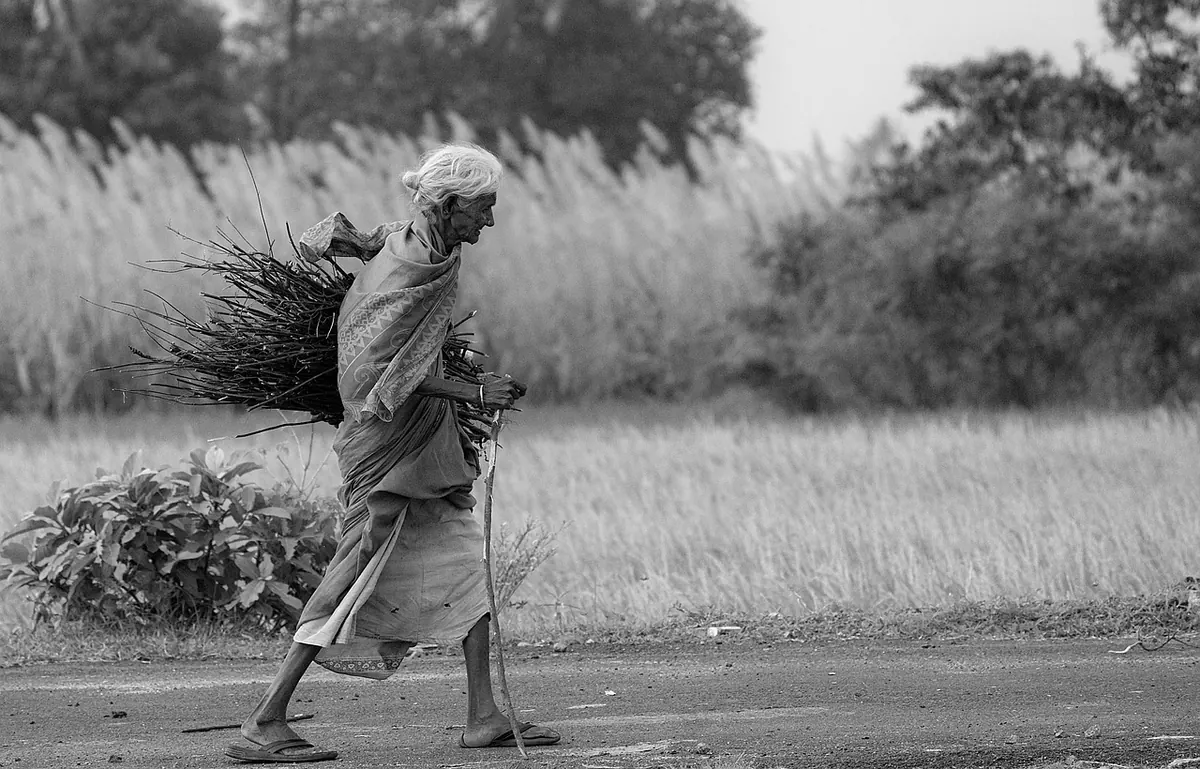
Photo: dhatchina / Pixabay